
A Complete Guide to Abu Simbel Temples and How to Visit Them
Among Egypt’s most extraordinary archaeological treasures, the Abu Simbel Temples stand as a remarkable symbol of ancient engineering, artistic achievement, and royal power. Located in southern Egypt near the shores of Lake Nasser, these magnificent temples attract travelers from around the world who come to witness one of the country’s most impressive historical sites. With their colossal statues, fascinating history, and dramatic desert setting, Abu Simbel offers an unforgettable experience for anyone interested in Egypt’s ancient civilization.
Built during the reign of Pharaoh Ramses II in the 13th century BC, the Abu Simbel Temples were designed to demonstrate the power and influence of the Egyptian empire. The larger temple was dedicated to Ramses II himself as well as several important Egyptian gods, while the smaller temple honored Queen Nefertari, one of the most beloved royal figures of ancient Egypt. Together, these monuments represent some of the finest examples of ancient Egyptian architecture and craftsmanship.
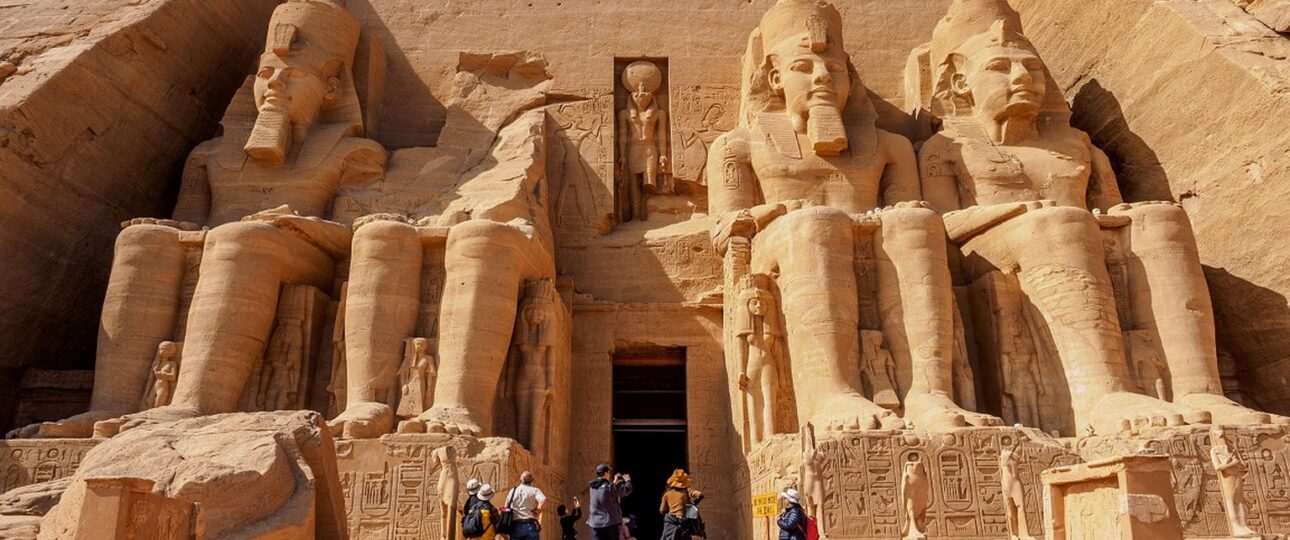
The first sight that greets visitors is the breathtaking façade of the Great Temple. Four enormous statues of Ramses II sit majestically at the entrance, carved directly into the mountainside. Their immense size and remarkable detail immediately convey the grandeur of the ancient kingdom. Inside, visitors can explore a series of halls and chambers decorated with intricate carvings that depict military victories, religious ceremonies, and scenes from the pharaoh’s reign.
Just a short distance away stands the Temple of Nefertari, often admired for its elegance and beauty. Dedicated to both Queen Nefertari and the goddess Hathor, the temple features impressive statues and detailed reliefs that highlight the important role of royal women in ancient Egyptian society. Its harmonious design and artistic decoration make it a favorite among many visitors.
One of the most fascinating aspects of Abu Simbel is its modern history. During the 1960s, the construction of the Aswan High Dam threatened to submerge the temples beneath the rising waters of Lake Nasser. In an extraordinary international effort, the temples were carefully dismantled and relocated to higher ground. This remarkable preservation project remains one of the greatest archaeological rescue operations ever undertaken and helped ensure that future generations could continue to admire these ancient masterpieces.
Beyond the temples themselves, the surrounding landscape adds to the experience. The vast desert, clear skies, and tranquil waters of Lake Nasser create a dramatic setting that enhances the sense of wonder. Many travelers find that the remote location contributes to the site’s unique atmosphere, offering a peaceful contrast to Egypt’s larger cities and busier tourist destinations.
Visiting Abu Simbel is relatively straightforward, with several transportation options available. Most travelers visit from Aswan, either by road, air, or as part of an organized tour. Early morning departures are particularly popular, allowing visitors to enjoy cooler temperatures and spend more time exploring the site before the midday heat. Guided tours are highly recommended, as they provide valuable historical context and help bring the stories behind the temples to life.
The best time to visit Abu Simbel is between October and April, when temperatures are more comfortable for sightseeing. Wearing light clothing, comfortable shoes, and sun protection is essential, as the site is located in an open desert environment. Bringing water and a camera is also recommended, as the stunning architecture and surrounding scenery offer excellent opportunities for photography.
For travelers seeking an even more memorable experience, visiting during the Abu Simbel Sun Festival can be especially rewarding. Twice each year, sunlight enters the Great Temple and illuminates specific statues deep within the sanctuary, demonstrating the remarkable astronomical knowledge of the ancient Egyptians. This rare event attracts visitors from around the world and highlights the extraordinary precision of the temple’s design.
The Abu Simbel Temples are far more than impressive monuments; they are enduring symbols of Egypt’s rich cultural heritage and remarkable achievements. From their colossal statues and intricate carvings to their incredible relocation story, every aspect of the site reflects the creativity and determination of both ancient and modern civilizations. A visit to Abu Simbel offers a journey through history unlike any other, making it one of the most rewarding and unforgettable experiences in Egypt.