
Top 10 Egyptian Museums You Should Visit During Your Trip
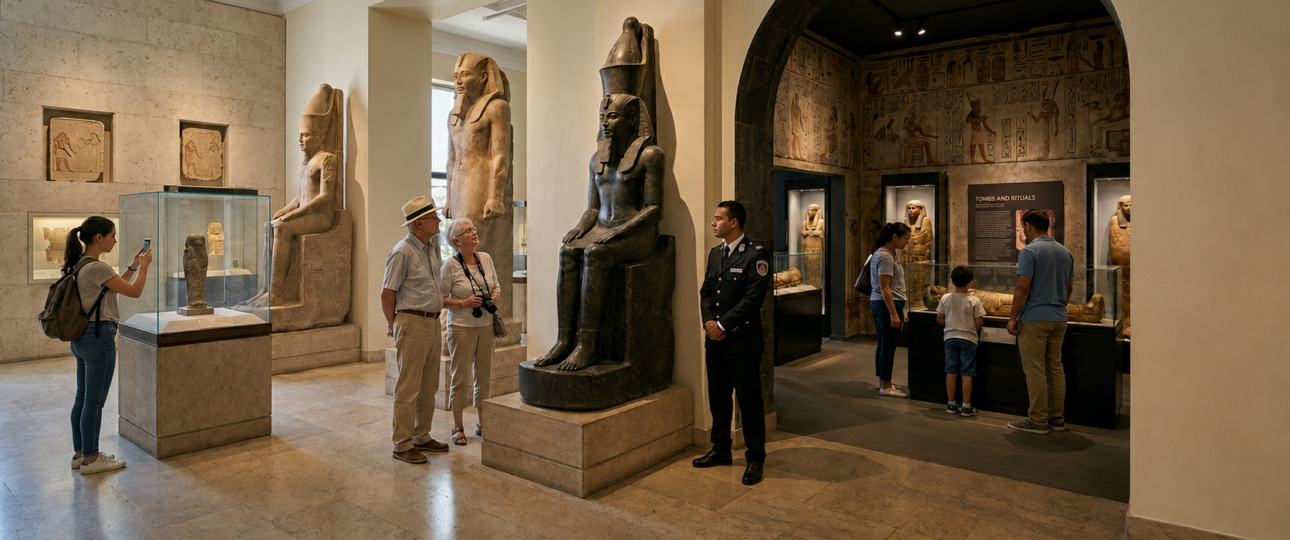
Egypt is famous for its ancient temples, pyramids, and archaeological wonders, but some of the country’s most fascinating treasures are found inside its museums. These institutions preserve thousands of years of history, offering visitors the opportunity to explore the stories, artifacts, and achievements of one of the world’s oldest civilizations. From royal mummies and ancient statues to rare manuscripts and cultural collections, Egypt’s museums provide an enriching experience for travelers interested in history, art, and heritage.
Visiting museums during your journey through Egypt allows you to gain a deeper understanding of the country beyond its famous monuments. Each museum presents a unique perspective on Egypt’s past, helping visitors connect the stories behind the temples, tombs, and archaeological sites they encounter throughout their travels. Whether you are a history enthusiast or simply curious about Egyptian culture, these museums offer unforgettable discoveries.
One of the most important museums to visit is the Grand Egyptian Museum. Located near the Pyramids of Giza, it houses an extraordinary collection of artifacts that showcase the richness of ancient Egyptian civilization. Its modern design and extensive exhibits make it one of the most significant cultural attractions in the country.
Another essential stop is the Egyptian Museum, which has long been one of Egypt’s most famous cultural landmarks. The museum contains a vast collection of ancient artifacts, including treasures discovered in royal tombs and archaeological sites across the country. Its galleries provide visitors with an impressive overview of Egypt’s long and fascinating history.
For those interested in Egypt’s royal heritage, the National Museum of Egyptian Civilization offers a remarkable experience. The museum presents Egypt’s story from prehistoric times to the modern era and is particularly renowned for its collection of royal mummies, which provide a rare glimpse into the lives of the country’s ancient rulers.
In Alexandria, the Alexandria National Museum highlights the city’s diverse heritage. Through artifacts spanning the Pharaonic, Greek, Roman, and Islamic periods, visitors can explore the rich cultural influences that have shaped this historic Mediterranean city over centuries.
History lovers visiting Luxor should not miss the Luxor Museum. Known for its carefully curated exhibits and beautifully displayed artifacts, the museum offers valuable insight into the monuments and archaeological discoveries found throughout the region. Its collection helps bring the stories of ancient Thebes to life.
Nearby, the Mummification Museum provides a unique look at one of ancient Egypt’s most fascinating practices. Through informative displays and preserved artifacts, visitors can learn about the techniques and beliefs surrounding mummification and the preparation for the afterlife.
In Aswan, the Nubia Museum celebrates the history and culture of Nubia, a region with deep historical roots along the Nile. The museum showcases traditional customs, archaeological discoveries, and cultural heritage that continue to play an important role in southern Egypt today.
Travelers interested in Islamic history will appreciate the Museum of Islamic Art. Home to one of the world’s most important collections of Islamic artifacts, the museum features beautiful examples of calligraphy, ceramics, textiles, and decorative arts from different periods of Islamic civilization.
The Coptic Museum offers another important cultural experience. Its exhibits highlight Egypt’s Christian heritage through religious manuscripts, icons, textiles, and historical artifacts that reveal centuries of artistic and spiritual traditions.
Completing the list is the Royal Jewelry Museum, where visitors can admire an elegant collection of royal treasures, jewelry, and personal belongings from Egypt’s former ruling family. The museum’s beautiful setting and unique exhibits provide a fascinating contrast to the country’s ancient collections.
The best time to visit Egypt’s museums is throughout the year, although many travelers combine museum visits with outdoor sightseeing during the cooler months between October and April. Comfortable clothing and a well-planned itinerary can help maximize your experience, especially in cities that offer multiple museums within close proximity. Guided tours can also provide valuable context and help visitors better appreciate the significance of the collections on display.
Egypt’s museums are far more than repositories of artifacts; they are gateways to understanding the country’s extraordinary history and cultural diversity. From ancient pharaohs and royal treasures to religious heritage and local traditions, each museum offers a unique story waiting to be discovered. Including these museums in your itinerary will enrich your journey and provide a deeper appreciati